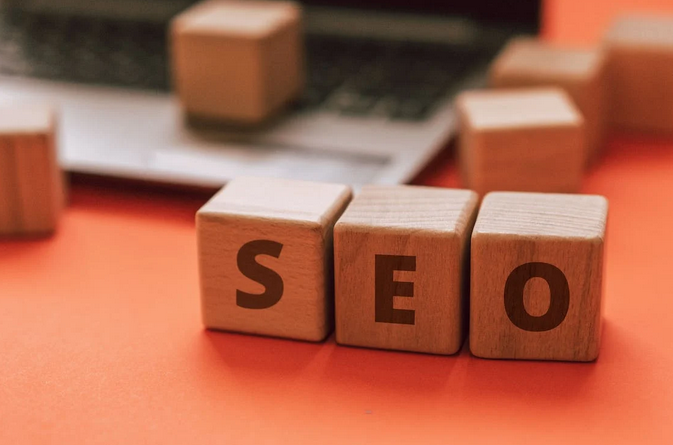
The Difference Between SEO Execution and SEO Leadership

Many businesses assume SEO is only about implementing tasks, but there is a deeper strategic layer that often determines real success. While execution focuses on applying optimizations, leadership shapes the vision, priorities, and long-term direction of an entire SEO program. SEO Consultant frequently bridges this gap by combining hands-on expertise with strategic oversight that aligns SEO with broader business objectives. This distinction influences how teams operate, allocate resources, and sustain growth over time. Understanding the difference between SEO execution and SEO leadership helps clarify why some strategies scale effectively while others struggle to sustain long-term gains.

What SEO Execution Involves

SEO execution focuses on hands-on implementation. It includes activities such as keyword research, on-page optimization, internal linking, technical fixes, and content publishing. Practitioners working in execution translate strategies into tangible changes on a website. Their focus is precision, consistency, and adherence to best practices. Execution requires strong technical skills, attention to detail, and familiarity with SEO tools and platforms. While essential, execution alone does not determine overall direction. It operates within a framework established by higher-level planning and prioritization.

The Role of SEO Leadership

SEO leadership focuses on defining vision, setting objectives, and integrating SEO into broader organizational strategy. Leaders evaluate market conditions, competitive landscapes, and business goals to determine where to concentrate SEO efforts. They decide which opportunities warrant investment, how resources are allocated, and how success is measured. Rather than working primarily at the page or code level, SEO leaders operate at the system and organizational level. Their decisions shape the environment in which execution teams function.

Strategic Thinking Versus Tactical Implementation

tactical implementation

The difference between SEO execution and SEO leadership can be understood through the lens of strategy versus tactics. Execution addresses how tasks are completed, while leadership determines what should be done and why. For example, execution may involve optimizing a set of pages, but leadership decides whether the broader priority is expanding topical authority, improving technical infrastructure, or entering a new market segment. Both perspectives are necessary. Without leadership, execution can become reactive and fragmented. Without execution, leadership remains theoretical and ineffective.

Impact on Team Structure and Collaboration

SEO leadership influences how teams are organized and how SEO interacts with other departments, such as content, development, and marketing. Leaders establish workflows, communication channels, and performance benchmarks. This coordination ensures that SEO considerations are integrated into product development, design decisions, and editorial planning. Execution teams then operate within these structures, focusing on delivering specific outcomes. The separation of roles supports scalability, allowing organizations to grow SEO efforts without losing coherence.

Measuring Success Differently

growth charts

Success metrics differ between execution and leadership. Execution success is often measured through task completion, error reduction, and page-level improvements. Leadership success is evaluated through long-term performance trends, return on investment, and alignment with business objectives. Leaders assess whether SEO is contributing to sustainable growth, brand visibility, and competitive positioning. These broader measurements reflect the strategic nature of leadership, rather than the operational focus of execution.

SEO execution and SEO leadership serve distinct but complementary functions. Execution translates plans into action through technical and content-based work. Leadership provides direction, prioritization, and alignment with organizational goals. Effective SEO programs depend on both roles working together. When leadership establishes a clear strategy and execution delivers consistent implementation, SEO becomes a structured, scalable, and sustainable growth channel rather than a collection of isolated tasks.

Related Post

seo

Common On-Page Optimization Mistakes and How to Avoid Them

On-page optimization is the backbone of effective SEO. It’s where you have direct control over your content and how it’s presented to search engines and users. However, even seasoned marketers can stumble when fine-tuning their on-page elements. Small missteps can lead to missed opportunities for traffic and engagement.

Are you unintentionally sabotaging your own website? These common mistakes can hold back even the best content from keyword stuffing to neglecting mobile optimisation. Let’s delve into some pitfalls you might be falling into and discover practical ways to sidestep them for a more polished online presence. Your website deserves better—let’s get started!

Keyword Stuffing

Many people think keyword stuffing will boost their SEO, but it often backfires. Instead of enhancing visibility, cramming your content with keywords makes it less readable and can alienate your audience. Search engines have evolved. They prioritize quality over quantity now. A natural flow in writing resonates better with users and search algorithms alike. When you force keywords into every sentence, the overall message suffers. Aim for relevance instead of repetition. Use variations of your primary keyword to maintain context without sounding robotic. This improves readability and helps capture diverse search queries related to your topic.

google

Ignoring Meta Tags and Descriptions

Meta tags and descriptions are often overlooked, yet they play a vital role in SEO. They serve as users’ first impressions when browsing search results. A well-crafted meta description can significantly impact click-through rates. If it’s bland or missing, potential visitors might skip your site for a more enticing option. Search engines also use these elements to understand your content better. Ignoring them means you lose an opportunity to show relevance and context. Keep meta tags concise but informative. Aim for clarity and persuasive language that encourages clicks without straying into keyword-stuffing territory.

Weak Internal Linking Structure

A weak internal linking structure can hinder your site’s effectiveness. Internal links guide users and search engines through your content, making navigation challenging. Think of internal links as road signs on the internet highway. They help visitors discover related articles and keep them engaged longer. You risk losing potential readers if you have great content but no connections between pages. Moreover, search engine crawlers rely on these links to index your site correctly. A well-structured internal link setup enhances visibility in search results. It also distributes page authority throughout your website. To strengthen this aspect, create relevant anchor text that clearly reflects the linked content’s topic. This practice improves user experience while signalling relevance to search engines.

Unoptimized Images

Images play a crucial role in web content but can also be a pitfall if not optimized properly. Large image files slow down your website’s loading time. This affects user experience and can lead to higher bounce rates. Using the correct file formats is essential. JPEGs are great for photographs, while PNGs work well for graphics with fewer colours. Always consider compressing images without sacrificing quality. Adding alt text is another critical step that many overlook. Alt text helps search engines understand the image and improves accessibility for visually impaired users.

Neglecting Mobile Optimization

Mobile optimization is no longer optional. With the rise of smartphones, more users are browsing on their devices than ever before. If your site isn’t mobile-friendly, you risk losing a significant audience. A non-optimized website can lead to slow loading times and distorted layouts. These issues frustrate visitors and increase bounce rates. Users expect a seamless experience, whether they’re using a desktop or smartphone. Google also prioritizes mobile-friendly sites in search rankings. Ignoring this aspect could hurt your visibility online. It is crucial to ensure that your content is easily readable on smaller screens. This includes adjusting font sizes and utilizing responsive design elements.

laptop

Conclusion

On-page optimization is crucial for any website striving for visibility and engagement. Avoiding common mistakes can significantly enhance your site’s performance. Focus on creating valuable content that resonates with your audience rather than stuffing it with keywords. Pay attention to meta tags and descriptions, as they are often the user’s first impression of your page.

Building a strong internal linking structure helps guide visitors through your content while improving SEO. Don’t overlook image optimization; properly sized images can boost load times and enhance user experience. Ensure your website is mobile-friendly to cater to the growing number of users browsing on their phones.

web user

How Responsive Web Design Impacts Your SEO

If you’re running a website, it’s essential to ensure it looks great on all devices. Gone are the days when people only accessed the internet through their desktop computers. In this blog post, we’ll discuss how the best Web Designers impacts your SEO and provide tips for making your website look great on all devices.

Responsive Design Allow Search Engine Indexing

Responsive web design has a significant impact on your SEO. One of the main benefits of responsive design is that it allows search engines to index your website easily. This is because the responsive design uses a single URL for your site’s desktop and mobile versions. Search engines can easily crawl and index your content, regardless of the device used to access your site.

It Helps Reduce Bounce Rate

screen timeBounce rate is the percentage of visitors who leave your site after only viewing one page. A high bounce rate is terrible, as it indicates that people are not finding what they’re looking for on your site. Fortunately, responsive design can help to reduce the bounce rate. It is because responsive design ensures that all your content is easily accessible on any device. If people can find what they’re looking for quickly and easily, they’re less likely to bounce off your site.

It Increases Time People Spend on Your Site

Another benefit of responsive design is that it increases the time people spend on your site. This is because responsive design eliminates the need to zoom and scroll around to view content. On a non-responsive site, people often have to zoom in and out to read text and view images. It can be frustrating and often results in people leaving the site before they’ve had a chance to explore it fully. Responsive design makes everything easily accessible, so people are likelier to stick around and explore your site.

It Improves Your Click-Through Rate

Finally, a responsive design also helps to improve your click-through rate. This is because people are more likely to click on links when they’re easy to see and click on. On a non-responsive site, links can be small and difficult to click. This often results in people missing them altogether. With responsive design, links are easy to see and click on, making people more likely to take action.

As you can see, responsive web design has a lot of benefits for your SEO. Now is the time to switch if you’re not already using responsive design. Your website will be more accessible to search engines and visitors, and you’ll see an improvement in your click-through and bounce rates.

seo services

How to Know Whether the Dental SEO Company is Effective

When you hire a dental SEO company, it is normal to be excited about the new patients you get when you rank higher on Google. It is also normal to be concerned when you do not start seeing results. Maybe the agency you hired is not producing great results. You need to find out whether you have hired the right agency that specializes in SEO for Dentists. These are some of the signs you should look for to determine whether your dental SEO agency is right.

Audits and Reporting

digital marketingAlthough you will get an SEO audit and competitor analysis reports, you also need reporting on various activities done. There are various reports the SEO company should provide you with. For instance, you need a report on top keyword rankings. With this, you can track the keyword positions in SERPs. You can also discover whether the rankings are declining. Also, your dental SEO agency should provide you with link-building reports.

Rankings

There is a need to pay attention to how long it takes to improve your rankings. You should note that search engine optimization is not a quick solution. Rather it is an ongoing process to get you on top pages of search engines. This does not mean you will wait forever to get rankings. Rather, your rankings will start to show improvements after a few months.

Keywords

The right dental SEO agency should target the right keywords. This is important because dental SEO has similarities with local SEO. It is advisable to consider using long-tail keywords, which include your treatments and location. Avoid targeting generic keywords that do not bring relevant traffic.

Analytics

A reputable SEO agency will ask you for access to Google Analytics and Content Management system. Also, provide them access to Google Search Console. An agency that does not ask for access to analytic tools does not understand its work.

On-Page Optimization

Most dental SEO agencies focus on off-page SEO. The truth is that on-page SEO is important. This involves optimizing the website’s elements, such as loading speed, content, and keyword density. Avoid companies that do not focus on on-page SEO.

It is normal for agencies to make mistakes when trying to run different campaigns. However, some agencies out there are outright incompetent and frauds. Therefore, when hiring a dental SEO agency, you need to be careful to avoid dealing with fraud.